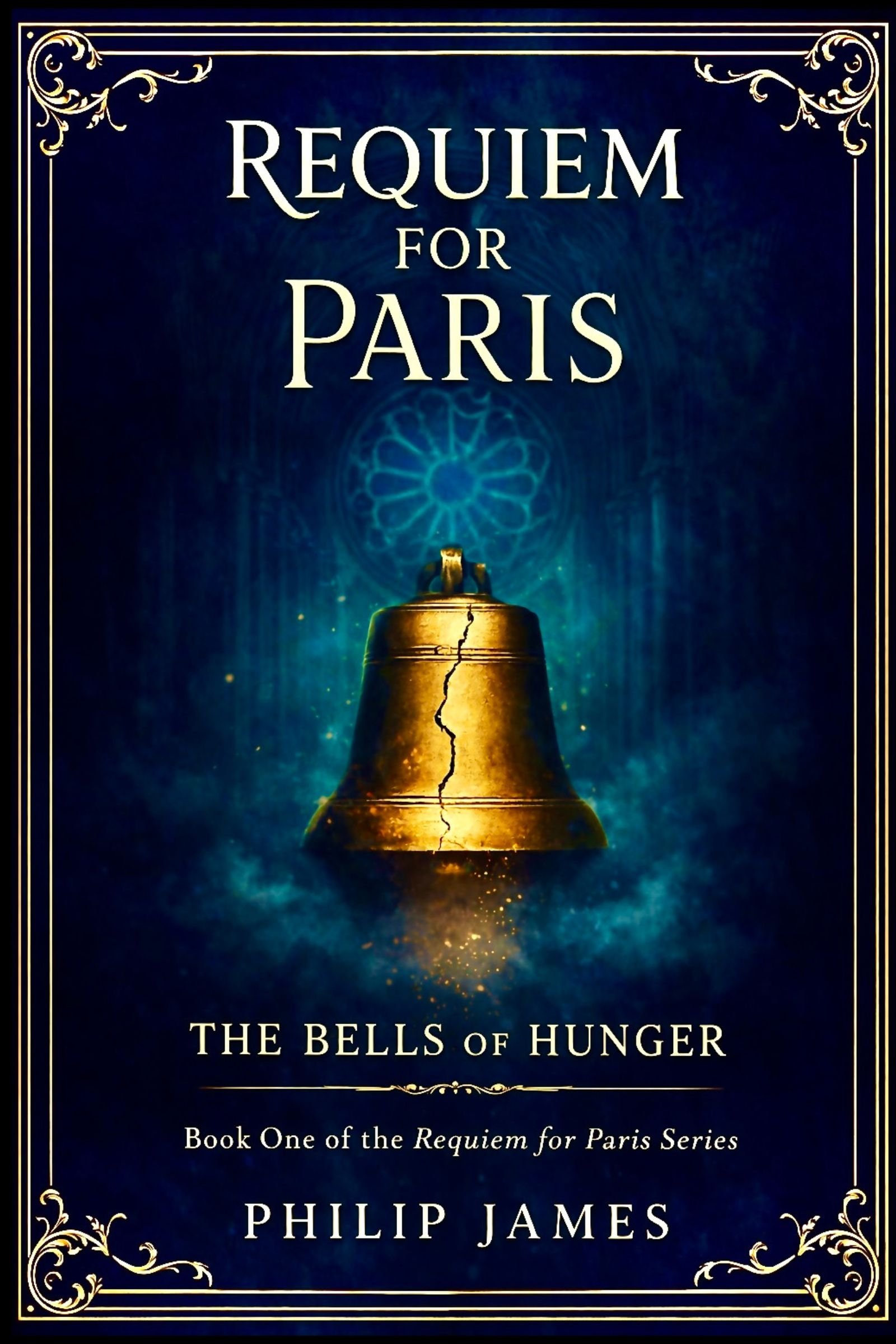
Paris, 1799. The bells are silent. The city is starving. And survival comes at a price no one can afford to pay.
Mathis Charbonneau scrubs pots in the Tuileries Palace while his family freezes in a Les Halles tenement. The Revolution promised equality, but the winter of 1800 speaks a different truth: some eat from gold plates while others fight over scraps in the gutters.
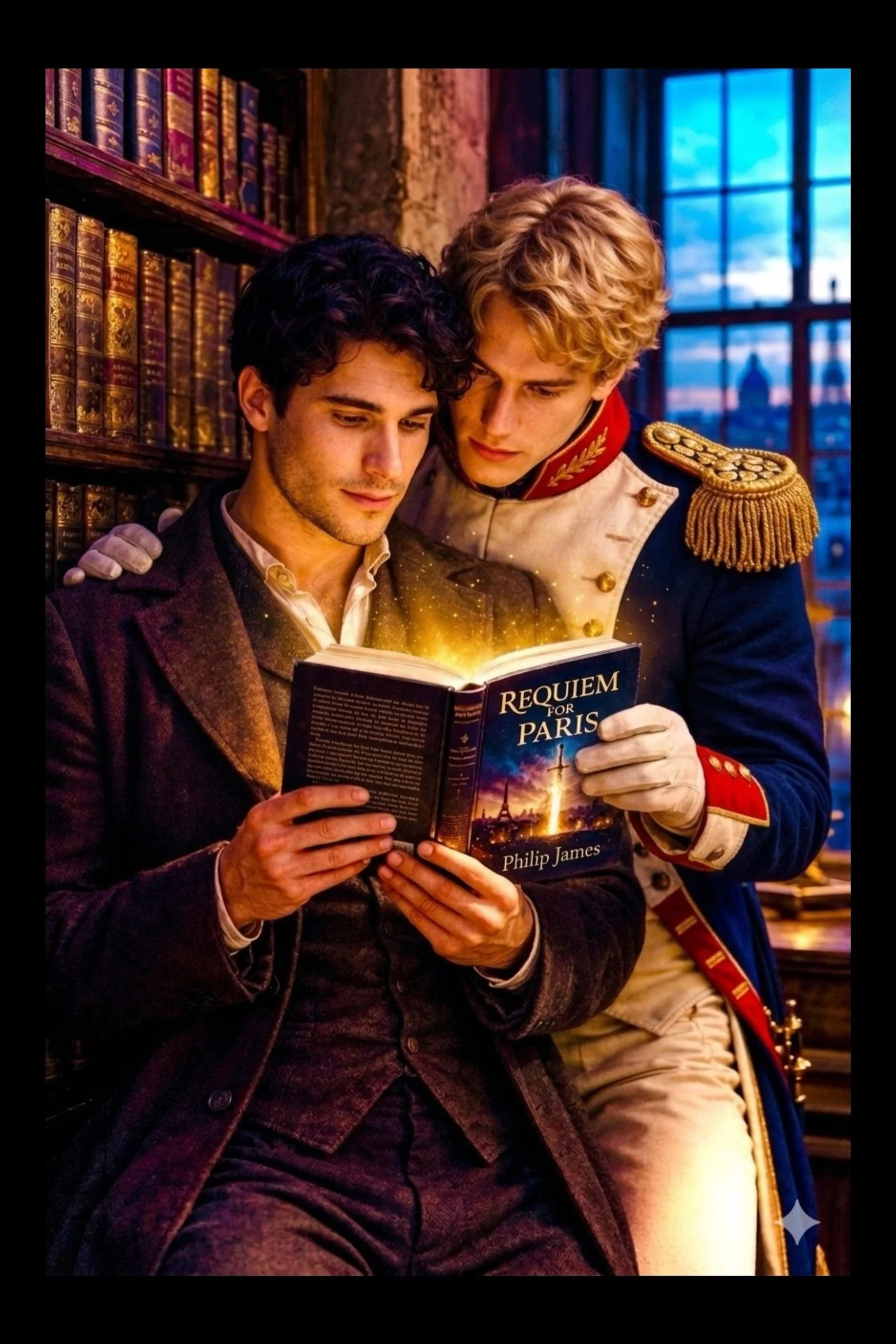
When Eugène de Beauharnais—Napoleon's stepson and heir to a glittering future—notices the scullery boy with dark eyes and lye-reddened hands, an impossible attraction ignites. One stolen conversation in a palace kitchen. One forbidden meeting in a glass greenhouse full of impossible summer. One moment that could destroy them both.
As bread runs out and the Commission sweeps through the slums, Mathis is caught between two worlds: the palace where beauty masks brutality, and the streets where his family clings to survival by their fingertips. His brother carries a resistance symbol that could get them all killed. His mother is too sick to work. And the boy who sees him—truly sees him—lives in a world Mathis can never belong to.
In the shadow of Notre-Dame, where gargoyles watch with stone eyes and the memory of bells haunts every street, Mathis must choose: protect his family or risk everything for a love that shouldn't exist.
For readers who loved The Song of Achilles, A Gentleman in Moscow, and Les Misérables—a cathedral-born saga of forbidden love, impossible choices, and the things we sacrifice to survive.