

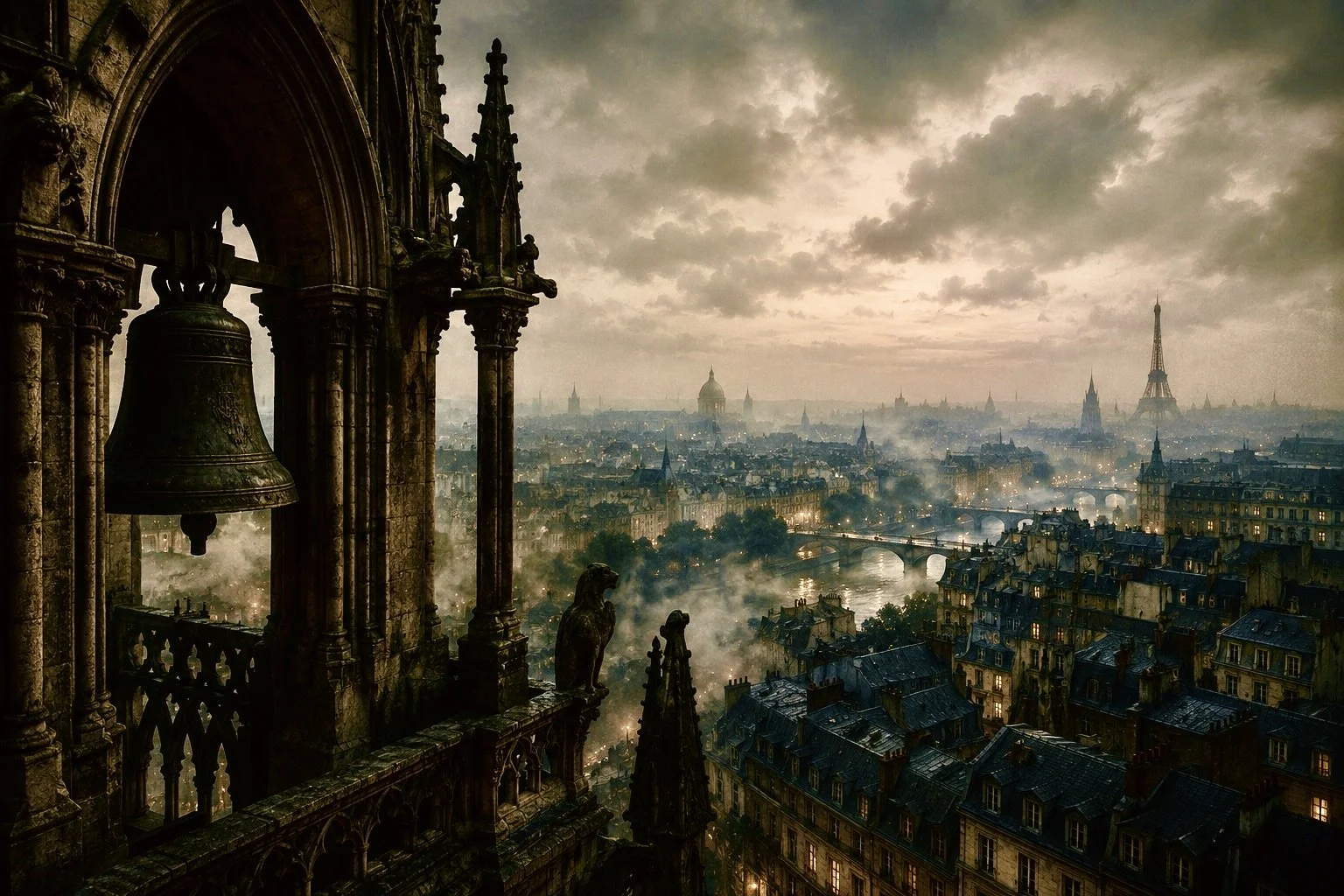
Before the Bells Fell Silent
A reflection on memory, silence, and the hidden soul of Paris—where cathedral bells, shadows, and forgotten streets became the beginning of Requiem for Paris.
There are cities that belong to history.
And there are cities that belong to memory.
Paris has always belonged to both.
Long before I began writing Requiem for Paris, I found myself drawn to the quieter parts of the city—the places that seem untouched by time, even as the world moves around them.
The narrow streets that grow silent too quickly after midnight.
The cathedral shadows stretching across empty stone.
The feeling that beneath the beauty and light, something older is still watching.
That feeling became the beginning of this story.
Not simply a story about Paris, but about what a city carries long after its secrets were meant to disappear.
Requiem for Paris lives somewhere between memory and mourning. It is a story shaped by candlelight, cathedral bells, hidden passageways, and the strange silence that settles over places that have seen too much.
I never wanted this world to feel rushed.
I wanted it to feel discovered.
As though the story had always existed somewhere beneath the surface, waiting patiently to be found.
The characters within it carry their own ghosts.
Some wear masks to survive.
Some search for redemption.
Some are already too lost to recognize themselves.
And Paris remembers all of them.
There is something haunting about old cities—how they seem to preserve emotion within their walls.
Grief.
Love.
Fear.
Devotion.
Time itself begins to feel layered there, as though every step echoes with someone who walked the same path long before you arrived.
That atmosphere became the soul of Requiem for Paris.
The story begins long before the city understands what it has become.
And once the bells fall silent, nothing within it remains untouched.
If you want to step into the world of Requiem for Paris,
the first three chapters are waiting here.
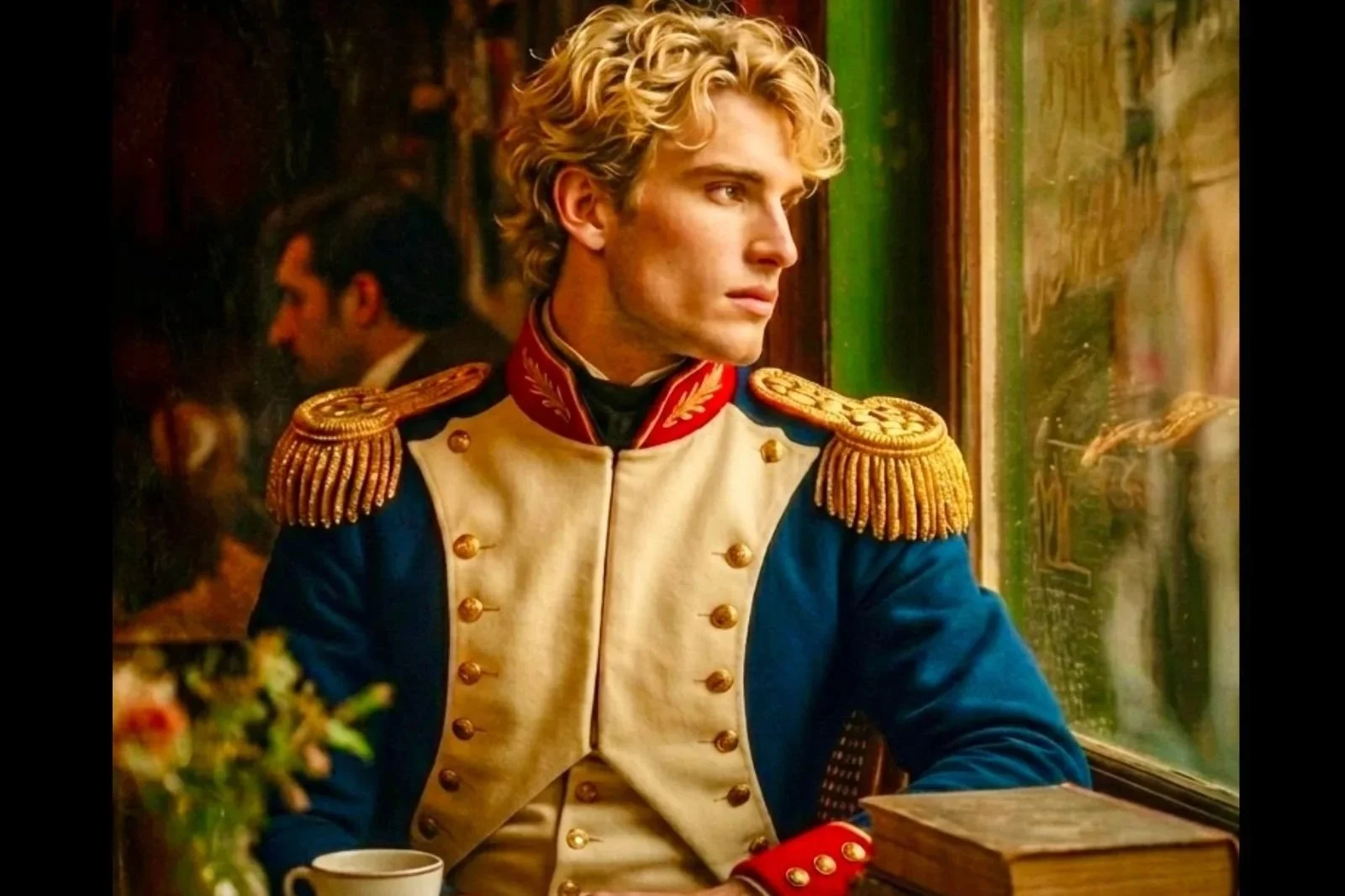
What Paris Looked Like in 1800 (Before the Eiffel Tower)
Step into Paris before the Eiffel Tower—when the city was a maze of narrow streets, shadowed alleys, and quiet mystery. Discover the atmosphere of 1800s Paris that still inspires dark, gothic storytelling today.
Step Into a Different Paris
Before the grand boulevards, before the iron silhouette of the Eiffel Tower, Paris in 1800 was something entirely different—narrow, shadowed, and deeply alive.
The city was still shaped by the aftermath of revolution. Streets were tight and uneven, lined with tall stone buildings that leaned inward as if whispering to one another. Lantern light flickered against damp walls. The air carried the scent of the Seine, mixed with smoke, bread, and something harder to name.
This was a Paris of quiet tension and hidden stories.
A City Without Modern Order
The wide avenues we know today did not yet exist. Baron Haussmann’s transformation was still decades away. Instead, Paris was a maze.
Crooked alleyways twisted through neighborhoods
Crowds gathered in open markets
Carriages struggled through uneven roads
Every corner felt layered with history—and possibility.
Notre Dame as the Heart of the City
At the center stood Notre Dame, not as a monument for tourists, but as a living presence.
It watched over a city in transition. Its bells marked time for people rebuilding their lives after revolution. The cathedral was not just architecture—it was atmosphere.
Why This Paris Still Captivates Us
There’s a reason this version of Paris continues to inspire stories.
It feels:
More intimate
More mysterious
More alive
A place where something could be hidden just out of sight.
Enter the World Behind the Image
If you’re drawn to this darker, more atmospheric Paris—the kind filled with quiet secrets and unseen forces—you’re already stepping into the world I write about.
👉 Explore more here: [link to your homepage or book]